1 hr 30 min
Tuscan Winery Experience with Cellar Tour & Tasting
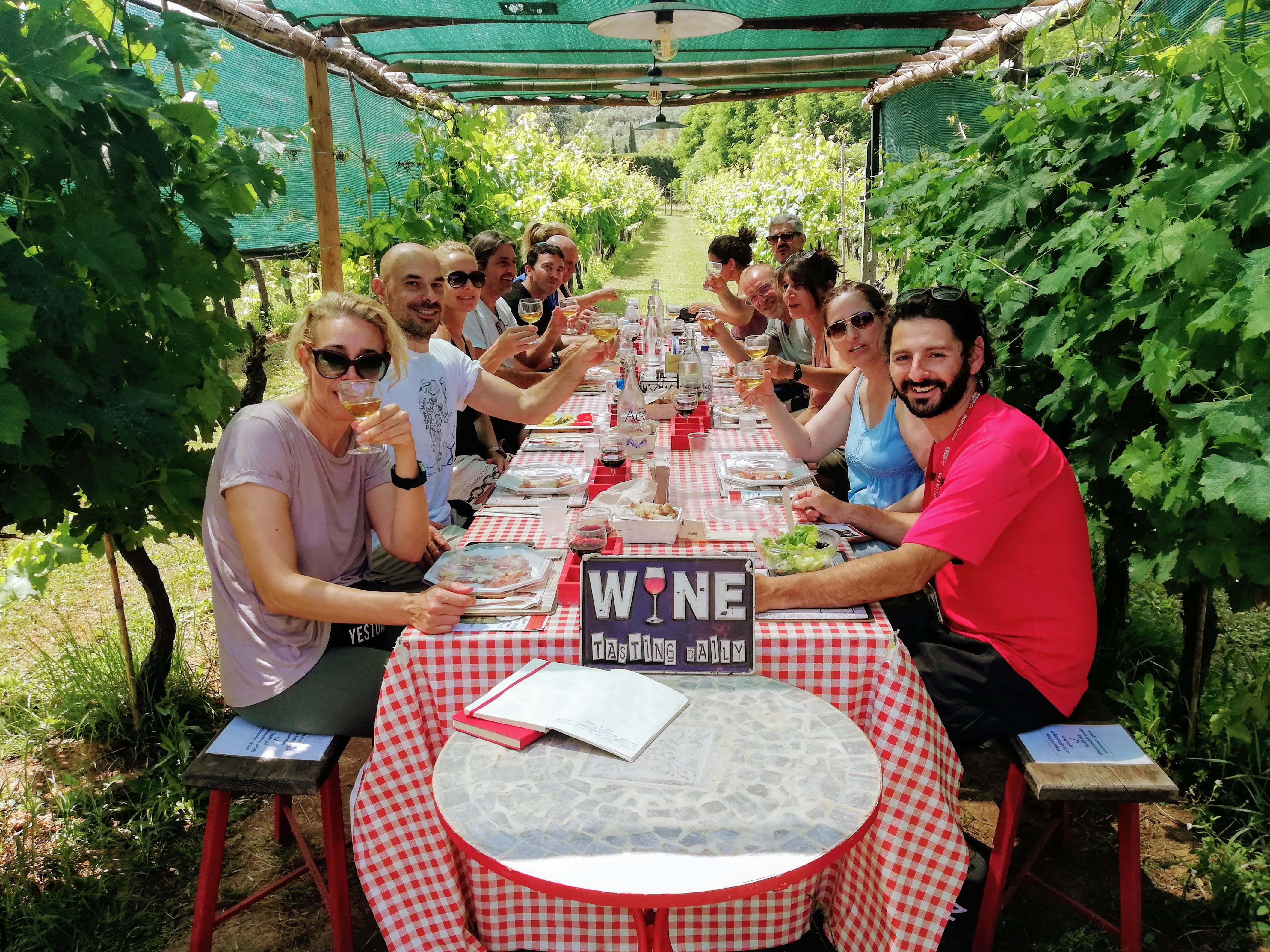
Explore a working winery near Lucca, sample four regional wines on a scenic terrace, and discover traditional production methods.
Reserve
Hand-picked by our editors — only the best 5 wine experiences from 47 reviewed.
Verified partners for every tour, free cancellation where available, and instant confirmation on every booking.
1 hr 30 min
Explore a working winery near Lucca, sample four regional wines on a scenic terrace, and discover traditional production methods.
Reserve
4 hr
Journey into Tuscany's wine country for an intimate tasting at a family-run estate near Pisa
Reserve
3 hr 30 min
Pedal through Tuscan vineyards and historic walls, then savor local wines with artisan snacks
ReservePrices from verified partners. Availability updates in real time at checkout. Free cancellation policies apply where shown.
The landmarks, rooms, and views travelers on this tour remember — all visible on a single visit.
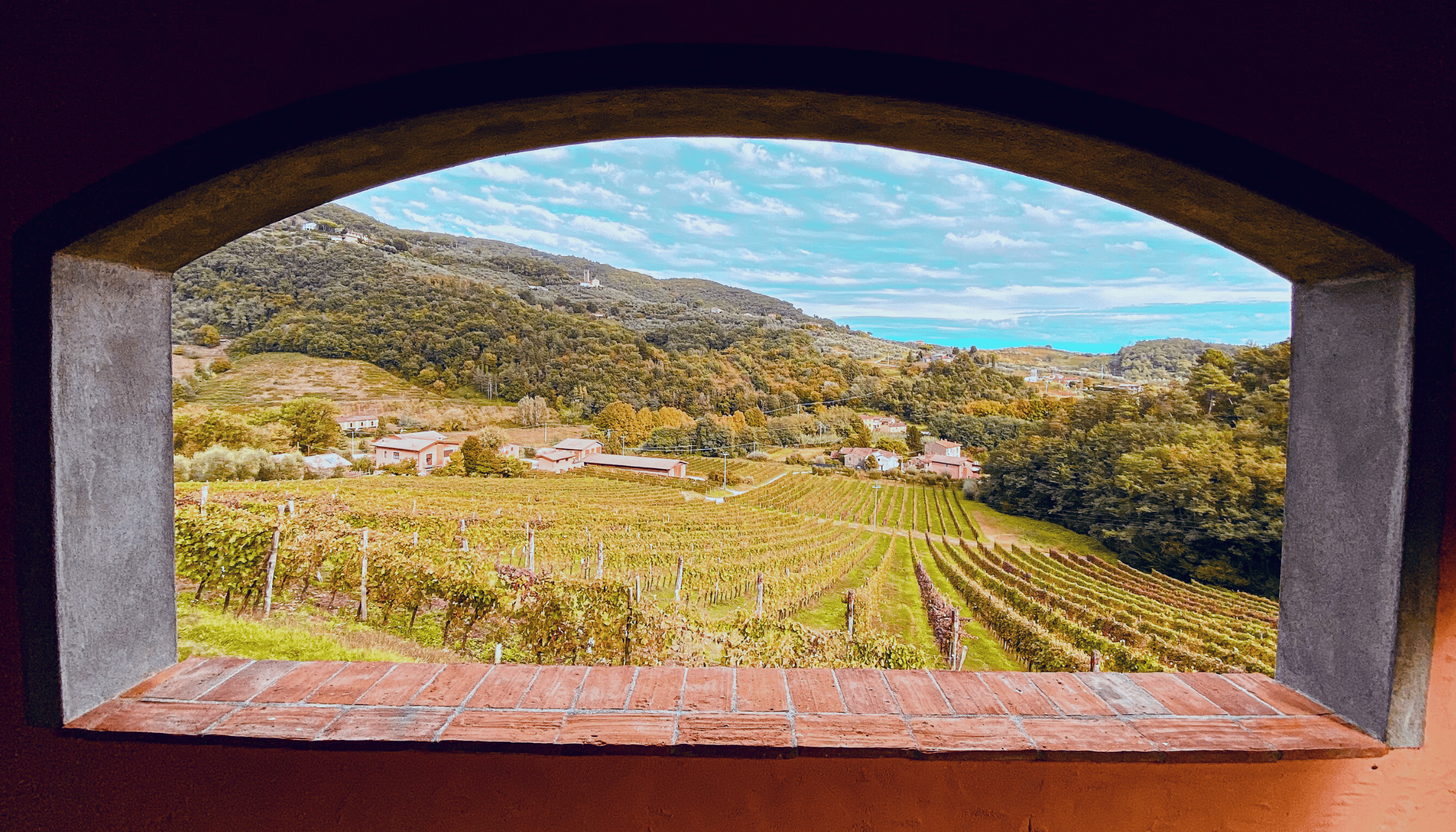
The Montecarlo hills are famous for unique blends of local and French grape varieties. Enjoy a walk through these historic rows.
Many estates feature cellars dating back to the 1600s where wines are traditionally aged.
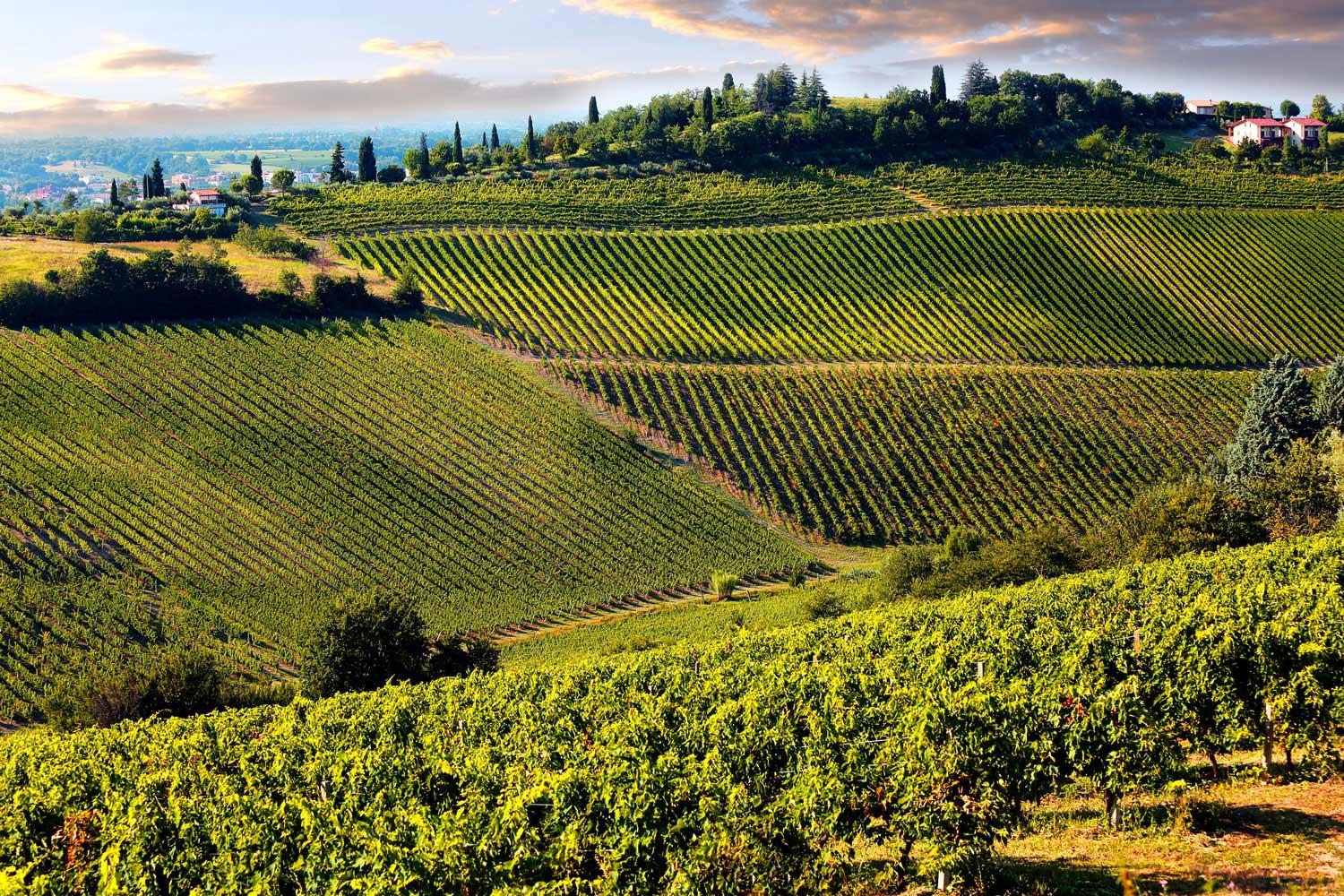
Tastings often take place on terraces overlooking the rolling green landscape of the Piana di Lucca.
Experience the specific profiles of Colline Lucchesi and Montecarlo DOC wines guided by a professional sommelier.
Lucca is renowned for its DOP olive oil, often sampled alongside your wine during a lucca wine tour.
The local vineyard experience offers intimate cellar access, whereas the broader Chianti region provides a more famous, expansive landscape for travelers. Many visitors who explore both find the lucca wine tour tours to be a more relaxed, personal encounter with Tuscan viticulture.
| Feature | Top pick Lucca Hills | Chianti Region |
|---|---|---|
Travel Distance |
0-15 km (Local) | 40-100 km (Regional) |
Typical Group Size |
2-8 guests | 8-20 guests |
Landscape Variety |
Rolling hills and orchards | Vast vineyards and medieval estates |
Depth of Wine Tradition |
Focused DOC/DOCG small production | Renowned global Sangiovese heritage |
Price |
35 EUR (summer) | 60-120 EUR (summer) |
Time Commitment |
2-4 hours | 6-9 hours |
| See tickets → |
Verdict: Choose the lucca wine tour tour if you prefer convenience and privacy, or select the Chianti option to experience the iconic scale of Italian lucca wine tour tickets scenery.
Choose your ticket, select your date, and reserve in under two minutes. Secure checkout handled by our verified partner.
Instant confirmation by email, with a mobile voucher you can save offline. No printing, no queuing at a collection desk.
Arrive at the entrance, show your voucher on your phone, and walk in. Most tickets include priority or skip-the-line access.
Practical details for your visit straight from our verified partners — hours, access, rules, and how to get there.
Lucca, LU, Italy
Central arrival point for many shuttle-based tours.
Follow the Strada del Vino routes toward the Montecarlo hills; parking is available at most estates.
Regional trains serve local stations, though private shuttles are more efficient for a lucca wine tour.
Smart-casual attire is recommended for a lucca wine tour. Wear comfortable walking shoes, as vineyard paths may be gravel or uneven.
Keep belongings minimal. Secure your lucca wine tour tickets digitally and avoid bringing large backpacks or suitcases to the estates.
Photography is generally encouraged in the vineyards and cellars during your lucca wine tour. Please respect private estate signage and avoid obstructing staff or other guests.
While many historic cellars have limited access due to architecture, modern tasting rooms on a lucca wine tour are often equipped for accessibility. Confirm specific estate features before booking.
Mobile phones are permitted for photos and communication. Maintain a respectful volume during guided portions of your lucca wine tour.
Many wine estates welcome families on a lucca wine tour. Check individual operator policies for youth participation, as some venues provide non-alcoholic alternatives for minors.
Tastings often include local pairings like cured meats, cheeses, and DOP bread. Avoid bringing outside food or beverages to your lucca wine tour experience.
Estate policies for pets vary significantly. Confirm pet-friendliness directly with the winery before embarking on your lucca wine tour.
Reservations are essential for every lucca wine tour. Always verify the specific winery address, as some are located in the surrounding Montecarlo hills rather than the Lucca center.
Lucca, LU, Italy
Central arrival point for many shuttle-based tours.
Get directionsBest time to go, insider tips, nearby landmarks, and the cancellation fine print — flip through to skim what matters to you.
How crowds, weather, and events shift across the year.
April to June offers mild weather and blooming landscapes, ideal for outdoor vineyard strolls.
July and August are warm and sunny, perfect for late-afternoon sunset tastings.
September to October is harvest season, providing the most atmospheric and energetic winery visits.
Small details that turn a good visit into a great one.
Always book your lucca wine tour directly with the local winery website to ensure the operator keeps full proceeds.
Some tours depart from the Lucca center, but the wineries are in the hills; confirm your pick-up point.
Harvest time is the most vibrant time to see the production process in action.
Cellars on your lucca wine tour can be cool even in the middle of a hot summer day.
Inquire if your lucca wine tour includes local DOP olive oil, which is a staple of the region.
Non-bookable sights within a short walk — free to visit, easy to pair.
Famous medieval tower with trees on top offering panoramic views.
Historic Romanesque cathedral known for its intricate façade.
Unique elliptical square built on the site of an ancient Roman amphitheater.
Renaissance-era defensive walls featuring a wide, leafy path for walking and cycling.
Flexible, no hidden fees.
Most operators offer free cancellation up to 48 hours before the scheduled start time. Cancellations made within this window are typically non-refundable, adhering to the 35 EUR minimum typical starting price per person.
Hand-picked options within walking distance — pick a district for vibe, or a specific hotel for convenience.
Stay within the walled city for easy access to tour meeting points.
The Montecarlo hills rise twelve kilometres east of Lucca, their southern slopes planted with Vermentino, Trebbiano, and Sangiovese vines that have supplied the city's tables since the fourteenth century. Tuscan wine tourism gravitates toward Chianti and Montalcino, leaving Montecarlo's seventeen family estates nearly undiscovered. A lucca wine tour threads through this quieter denomination, where producers still hand-harvest each parcel and age their reds in chestnut barrels coopered in Lucca's workshops. The DOC designation arrived in 1969, recognizing centuries of viticulture that predates the Medici cadastral maps. Montecarlo's terroir combines calcareous marl with well-drained gravel, a soil profile that moderates summer heat and extends the ripening season into October. The white blends here diverge from Tuscany's broader palette: Roussanne and Pinot Bianco appear alongside native varieties, reflecting French influence from the nineteenth-century phylloxera replanting. Estate cellars occupy converted tobacco barns and medieval granaries, their thick stone walls maintaining the twelve-degree Celsius temperatures required for natural fermentation. Several producers have revived amphorae aging, burying terracotta vessels in their cellar floors to replicate techniques documented in Roman agronomist Columella's first-century writings. Lucca wine tour tickets grant access to estates that rarely open their archives. Tastings unfold in barrel rooms where the 2019 and 2021 vintages rest side by side, allowing direct comparison of growing seasons. Winemakers pour from magnums rather than standard bottles, demonstrating how vessel size alters oxidation and flavor development. The route through Montecarlo's vineyard roads passes cypresses planted as windbreaks in 1847, their canopies now shaping microclimates that protect Sangiovese clusters from the Tramontana winds that descend from the Apuan Alps each August. Spring visits coincide with cover-crop flowering, when crimson clover and wild fennel bloom between the vine rows, fixing nitrogen and attracting the native Osmia bees that pollinate the estates' kitchen gardens. Production volumes remain modest—most labels bottle fewer than thirty thousand units annually—and distribution stays regional. A tasting in Montecarlo surfaces wines that never reach export markets, including late-harvest Vermentinos aged on their lees for eighteen months and single-vineyard Syrahs from the San Pierino parcel, where volcanic tuff intrusions warm the root zone. The experience centers on direct conversation with the vignerons themselves, who pour in their own tasting rooms rather than delegating to hospitality staff.
"Montecarlo's seventeen family estates supply wines that rarely leave Tuscany, their production methods unchanged since the fourteenth century."
A step-by-step walkthrough of the visit — what you'll see, how long each stage takes, and the details that matter.
You leave Lucca's eastern gate by bicycle or minivan, the Montecarlo hills visible ahead as a green ridge studded with stone farmhouses. The road climbs through olive groves that give way to terraced vineyards, the vines trained low on wires strung between chestnut posts. At the first estate you walk between the rows, the vintner explaining how leaf removal in July exposes the clusters to morning sun while preserving afternoon shade. The cellar entrance opens onto a vaulted brick chamber where barrel stacks rise three high, the air cool and faintly sweet with fermenting must. Tasting begins at a wooden table set with six stems. The winemaker pours a Vermentino from the 2024 harvest, its color pale straw with green reflections. You note citrus and almond on the palate, the minerality pronounced. A 2022 Sangiovese follows, its tannins still firm but the cherry and tobacco notes already integrated. Between pours you sample house-cured salumi and aged pecorino, the fat and salt resetting your palate. The final wine is a Vin Santo drawn from a caratello—a small chestnut cask—that has rested in the attic for eight years, the fortified amber liquid thick enough to coat the glass. You step back into afternoon light, the valley below quilted with vines, the towers of Lucca visible on the plain.
Wineries and estates are typically open from 11:00–18:30 daily.
Accessibility varies by vineyard, so please contact the specific estate on your lucca wine tour route to confirm facilities.
Wear smart-casual, comfortable layers and sturdy shoes suitable for walking on vineyard soil during your lucca wine tour.
Many tours on the lucca wine tour circuit are family-friendly, but confirm with the operator if they provide non-alcoholic options.
Visitors often use private transport or shuttles to reach the Lucca and Montecarlo hills for a lucca wine tour.
Yes, booking your lucca wine tour tickets in advance is strongly recommended to guarantee your spot.
The 35 EUR entrance fee typically covers a guided vineyard tour, cellar visit, and a tasting session with local snacks.
Avoid bringing large bags or prohibited items like drones; a light day bag is best for a lucca wine tour.
Yes, you are generally encouraged to take photos of the scenery and cellars during your lucca wine tour.
Most operators allow free cancellation if you change your plans up to 48 hours before your lucca wine tour.